 Varun
Varun
OCL Architectural Lighting is using material extrusion to make luminaries. The luminaries are intended for commercial lighting and are available in the Printz line. The line is “specification-grade lighting,” a high-end lighting segment with customizable, made-to-order pieces that light offices, retail spaces, or places like your local gym. In this case, the Luminaries are between 45 and 91 cm in diameter, much larger than most of the lamps we usually see. OCL also reportedly developed its own in-house material extrusion technology specifically for these lamps.
The company worked to make the line repeatable and has designed and produced it to function in commercial spaces. The lamps are available in the Ola, Cosma, and Hela models and contain at least 85% recycled material.
David Cervantes, Product Design Manager at OCL, said,
“Pushing the limits of manufacturing demands experimentation and a willingness to challenge processes built for efficiency rather than complexity. With Printz, we’ve translated that exploration into a scalable architectural platform. Nonplanar additive manufacturing allows us to move beyond traditional fabrication constraints, and we’re just beginning to explore its potential.”
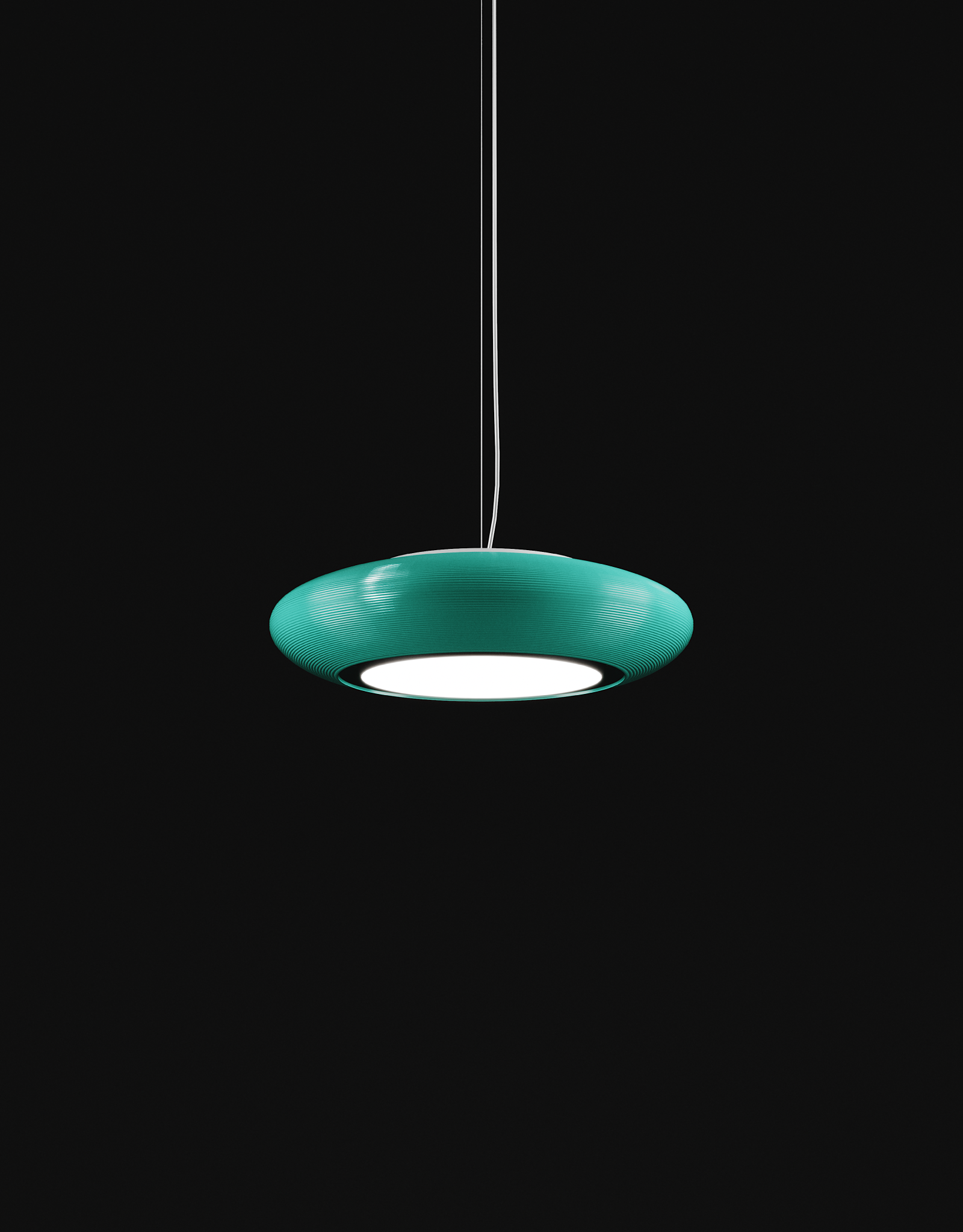
The Cosma luminaire from OCL’s Printz line is a large 3D printed lighting fixture designed for architectural interiors.
In fact, OCL states that it is “one with the design community. We provide thoughtful solutions that deliver artistry in light. Driven bypassion we push boundaries. We fiercely challenge the ordinary to elevate the experience of everything we do.”
The geometric freedom they get from 3D printing their luminaries is therefore going to really help them to inexpensively stay ahead of the curve. With easier design, shape, size, and model changes, the company can now more readily customize its lamps for a particular client or application. Quicker designs and those that are more on-trend are now much more achievable as well. For firms across many lighting scales, 3D printing is becoming the answer.
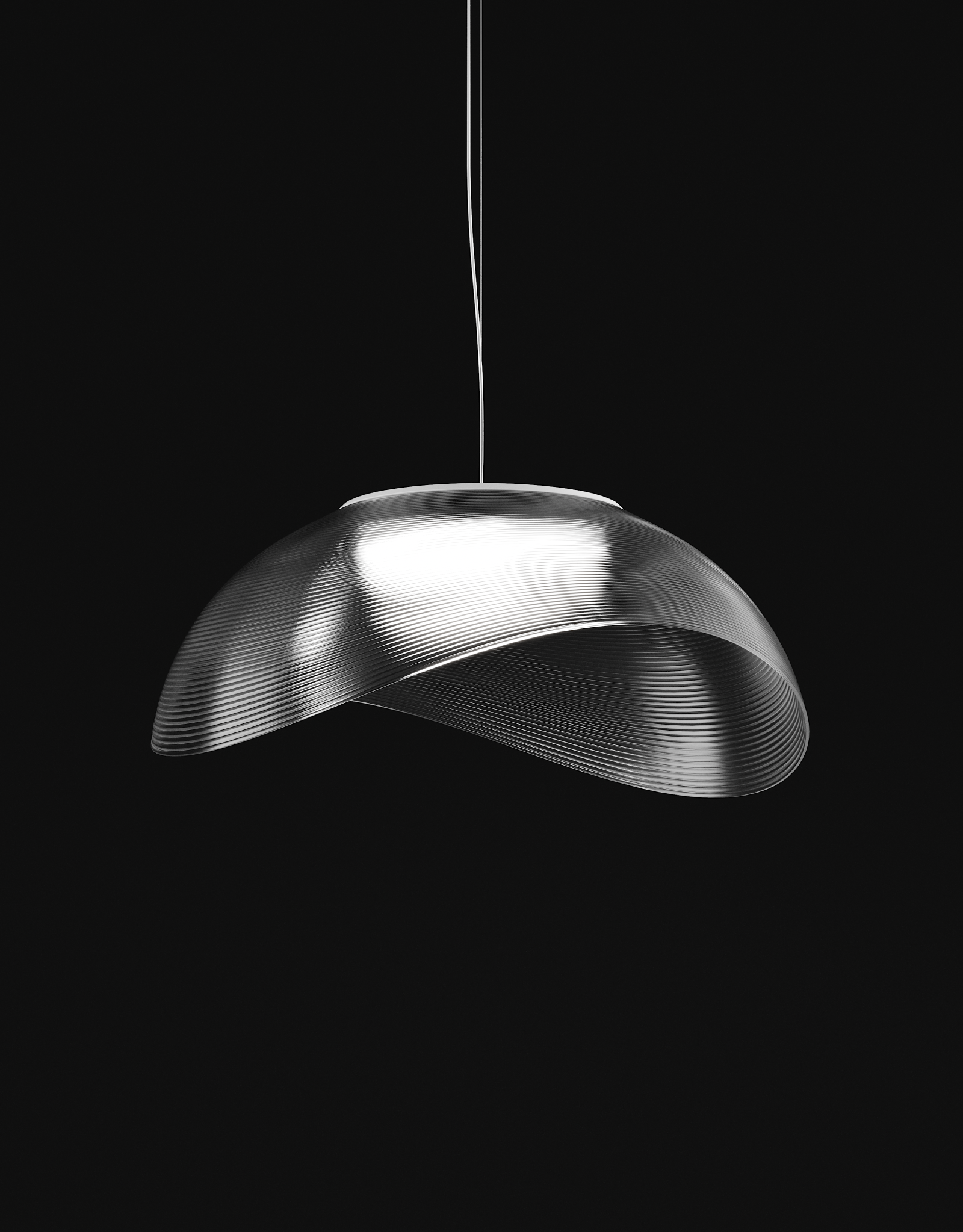
The Ola luminaire from OCL’s Printz line, a large 3D printed lighting fixture designed for commercial interiors.
We’ve already seen how Signify 3D printed over 10,000 lamps for McDonald’s. Brooklyn-based Wooj, with a small team, makes 15,000 lamps a year using desktop 3D printers, while Gantri, with a larger team, has made many more since 2017. Materialise’s MGX division had made tens of thousands of lamps years earlier using powder bed fusion. Now, material extrusion is ruling the roost. Lamp makers like the cost, the ease of use of the machines, and the familiar PC and other materials that they can use.
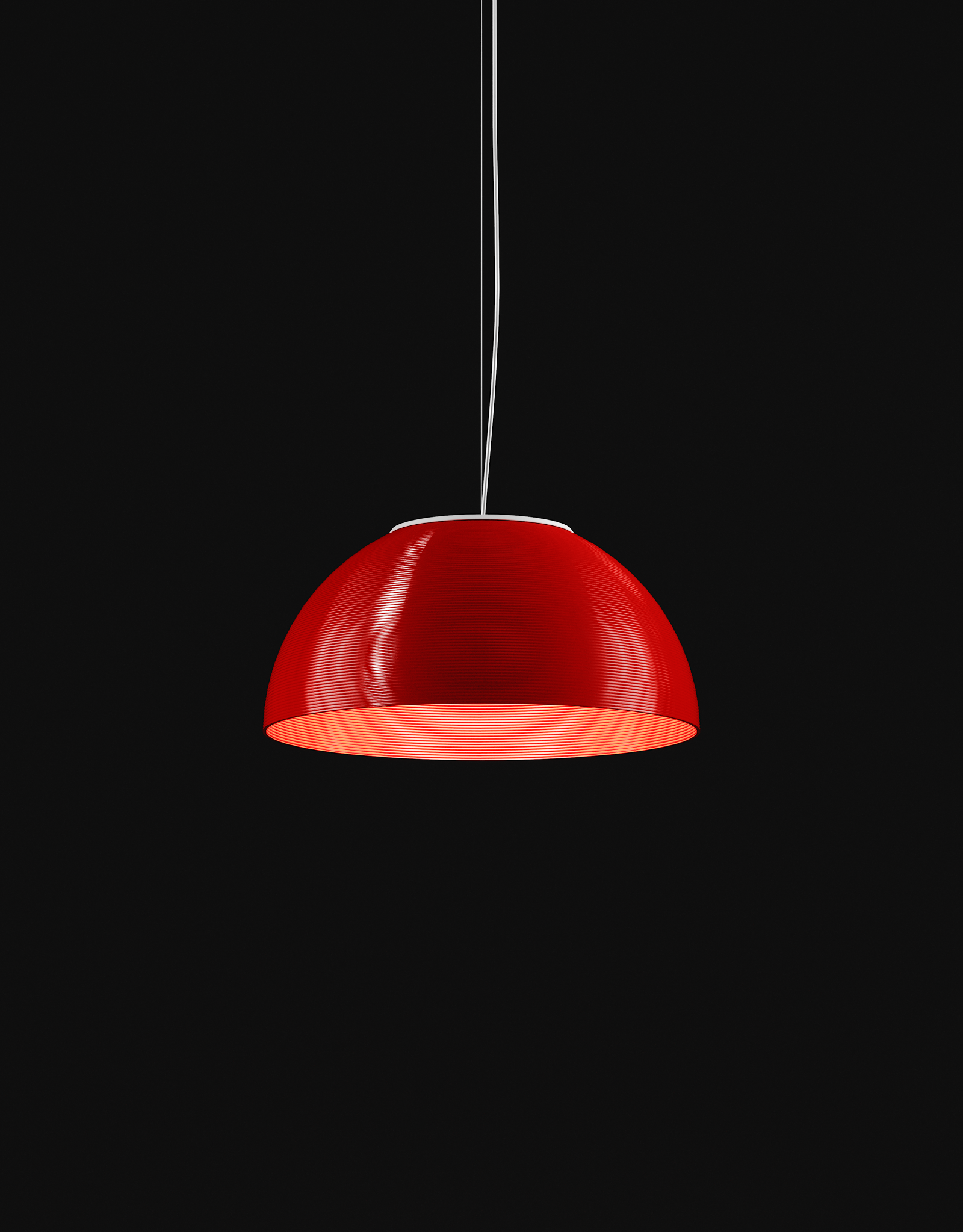
The Hela luminaire from OCL’s Printz line, a large 3D printed lighting fixture designed for architectural interiors.
It helps that architectural and commercial lighting is, on the one hand, a very high-margin branded business led by companies such as Flos. On the low end, thousands of low-cost Chinese suppliers vie for every single order. Then there is a bit of an implosion in some design retail, a definite implosion on the department store front, fierce competition between hardware chains, and a mixed competition where firms like Action or Walmart sell an ever-expanding cornucopia of goods. Oh, and then there’s Ali Baba and Amazon, too. Mix into these companies, like Cree, that are bound to high-volume economics through the near-lithographic processes used to make LEDs, and we get the perfect storm. I heard a new word yesterday, the polycrisis. This seems to indicate many different adverse circumstances and competitive streams at once, negatively affecting established brands. So we may be in a time of polycrisis.
And then 3D printing for lamps makes a ton of sense. Making it easier to produce locally and easier to shift from one model to the next, this reduces risk. You also reduce your fashion risk by not having enough to sell or having too many in stock. With no boats from China to wait for and no tooling wait times, you can be more responsive and get to market quicker. People have proven out this business case at both high and extremely low volumes. But also in a more high-mix, low-volume setting, such as specification-grade lighting or architectural lighting, 3D printing makes complete sense.
Another detail here is that the company says its lamps are “Build America, Buy America ready,” meaning they can be used in federally funded infrastructure under the Build America, Buy America Act (BABA), part of the Infrastructure Investment and Jobs Act. We are sure to see an expansion of 3D printing for luminaries and lamps in general. With ever more demanding and fickle consumers coupled with intense market dynamics and geopolitical effects, 3D printing may just be a very safe practice in an unsafe world for these firms.
Images courtesy of OCL Architectural Lighting
Subscribe to Our Email Newsletter
Stay up-to-date on all the latest news from the 3D printing industry and receive information and offers from third party vendors.
Upload your 3D Models and get them printed quickly and efficiently.