Bambu Lab Says 2025 Was a Breakout Year: 10 Million Monthly Users and Real Business Growth – 3DPrint.com
 Varun
Varun
Chinese 3D printer maker Bambu Lab reported strong results for 2025, showing that the company’s push into community and small-business 3D printing is working. The numbers suggest consumer 3D printing is moving beyond hobbyists and becoming a real side business for many people.
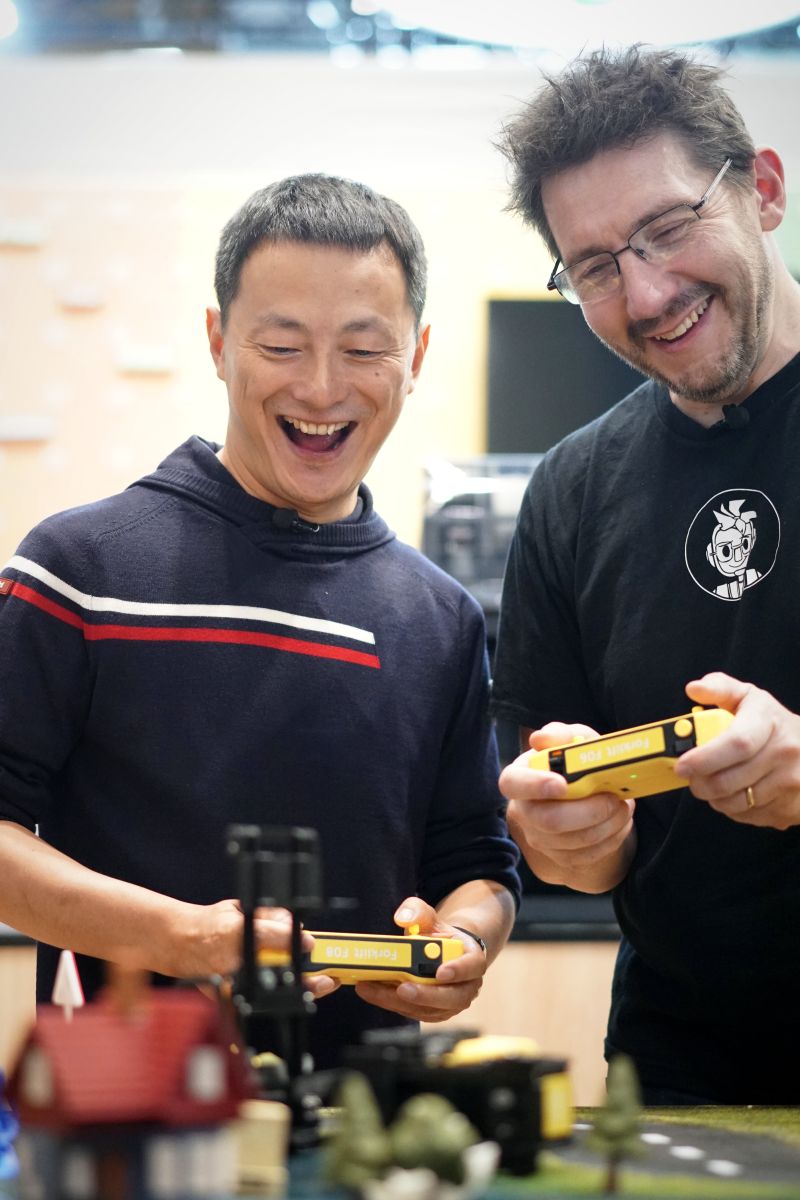
Joel Telling joins Bambu Lab CEO Dr. Tao for a demonstration at Formnext. Image courtesy of Bambu Lab via LinkedIn.
Bambu Lab revealed that its MakerWorld platform (a place where people share 3D models and printing ideas) now has about 10 million monthly active users. That’s a huge number in just two years since the platform launched.
Some highlights from the 2025 MakerWorld data include 10 million monthly active users and 2.6 million original models uploaded to the platform. More than 7,000 new models are added every day, created by around 280,000 designers, each publishing an average of five or more models. In particular, about 4,000 models have been downloaded and printed more than 1,000 times, showing strong engagement and repeat use across the community.
This level of engagement shows that people aren’t just browsing; they are actively designing, printing, and reprinting.
Additional data also point to how fast Bambu Lab printers are spreading: download figures for its BambuHandy control app suggest app activity roughly tripled from 2024 to 2025, with close to two million app downloads in 2025. This is a possible sign of a sharp increase in machine use.
Beyond Hobby Use
MakerWorld data shows that users are spending some serious time printing. More than 30,000 users print an average of seven or more hours per day, which is the equivalent of a full working day. On a weekly basis, more than 130,000 users print for six or more hours per week. In total, users logged over 290 million print hours in 2025. The platform also reports an 83% user retention rate after one year, which is very high for an online community.
Interestingly, people aren’t just trying 3D printing once and stopping. They’re coming back and using their machines regularly.
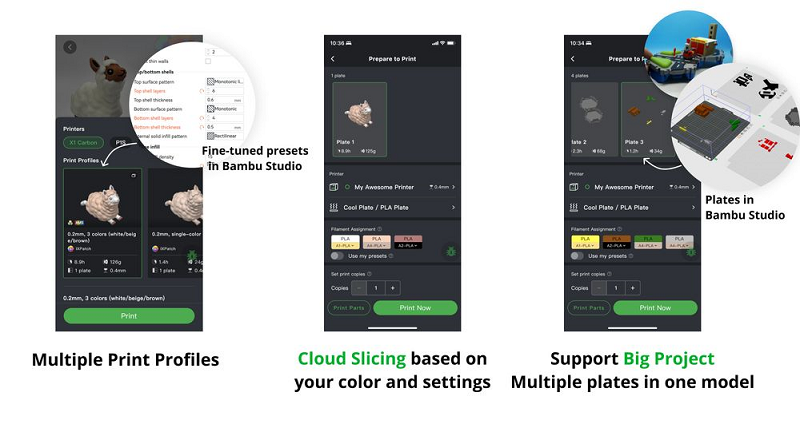
Bambu Lab’s MakerWorld. Image courtesy of Bambu Lab.
Bambu Lab’s data also reveals that real work and small business activity are happening on MakerWorld. Many heavy users spend more than seven hours per day printing, which the company says is like “full-time employment” in some cases.
Popular printed items range from household items and tools to decorative pieces and cosplay props. In fact, the top popular categories of models show what people are actually making household items like holders, organizers, and décor; fun DIY and hobby prints and tools, and custom parts, as well as customized merchandise and cosplay accessories
For a growing group of users, 3D printing is becoming a way to make money by selling products, custom parts, or designs.
Expanding Its Audience
Interest in Bambu Lab grew a lot in China in 2025. Search query data shows that interest in the company name grew more than 300% year-over-year, while general interest in 3D printing also went up by a lot, so that’s a sign the market is expanding quickly.
Analysts also point to strong sales growth for Bambu Lab’s machines, with some estimates showing that printer unit sales tripled from 2024 to 2025. Partnerships with large tech platforms and participation in major events may be part of the reason the brand is attracting more mainstream attention.
To reach more people, Bambu Lab announced a strategic partnership with Chinese tech giant ByteDance. During China’s Spring Festival Gala (the country’s massive Lunar New Year television event watched by hundreds of millions), Bambu Lab will distribute more than 6,600 3D printers through ByteDance’s Doubao platform. By connecting its brand to one of the most widely viewed events of the year, the company is bringing 3D printing into the national spotlight.

China’s Spring Festival Gala. Image courtesy of China Daily.
Bambu Lab may have started out as a hardware company, but its 2025 results show it has grown into something bigger; it’s now a full digital community and business platform built around 3D printing. Instead of simply selling printers, it now supports a broad creative and commercial network, which is truly wonderful.
In fact, this matters because it suggests the future of consumer 3D printing is not just about better printers, but about stronger digital platforms and communities.
Bambu Lab’s ecosystem goes beyond file sharing. MakerWorld now includes crowdfunding tools that let designers fund bigger projects and make money from their designs. The company has also launched products like CyberBrick — 3D printable toys with reusable electronics — looking to open up new creative uses and reach more users.
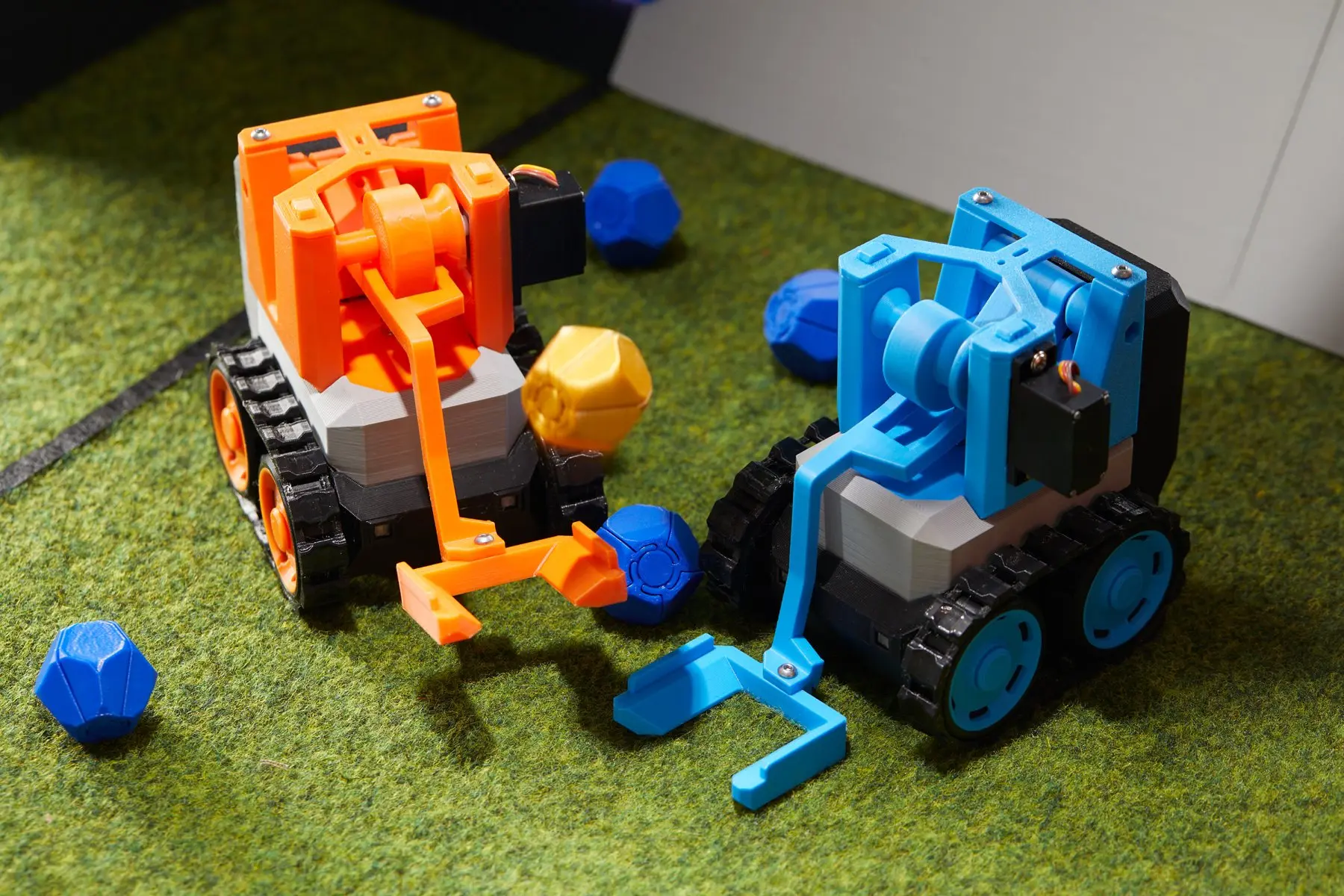
Bambu Lab’s CyberBrick. Image courtesy of Bambu Lab.
The success of MakerWorld and the clear movement toward regular use and business activity suggest that consumer 3D printing has matured. It’s no longer just about “tinkering on weekends or after work.” For many people, it has become a tool for creation, work, income, and, quite importantly, community. And Bambu Lab’s 2025 results show a company shifting 3D printing from a niche hobby to an accessible manufacturing tool for millions.
Subscribe to Our Email Newsletter
Stay up-to-date on all the latest news from the 3D printing industry and receive information and offers from third party vendors.
Upload your 3D Models and get them printed quickly and efficiently.